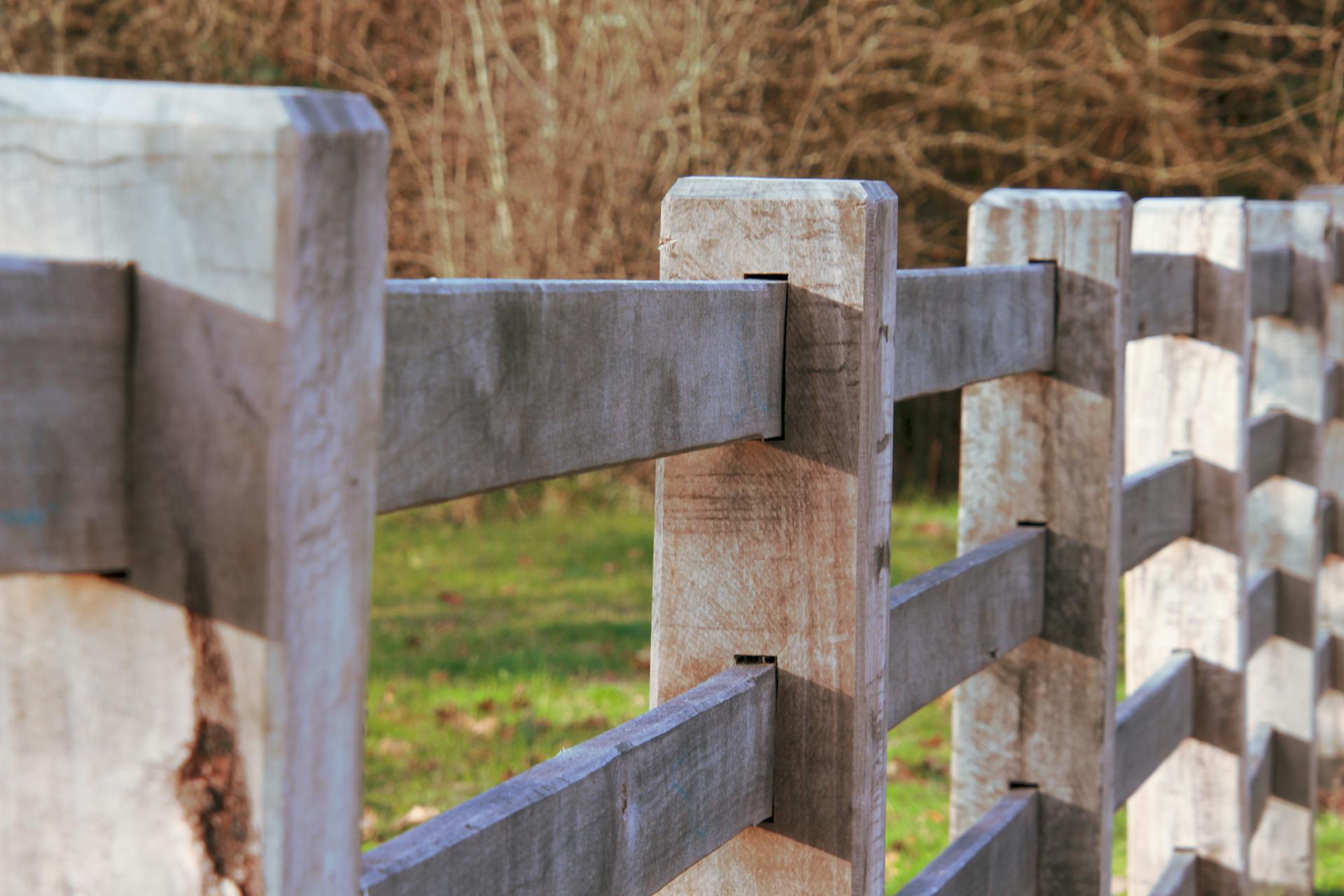
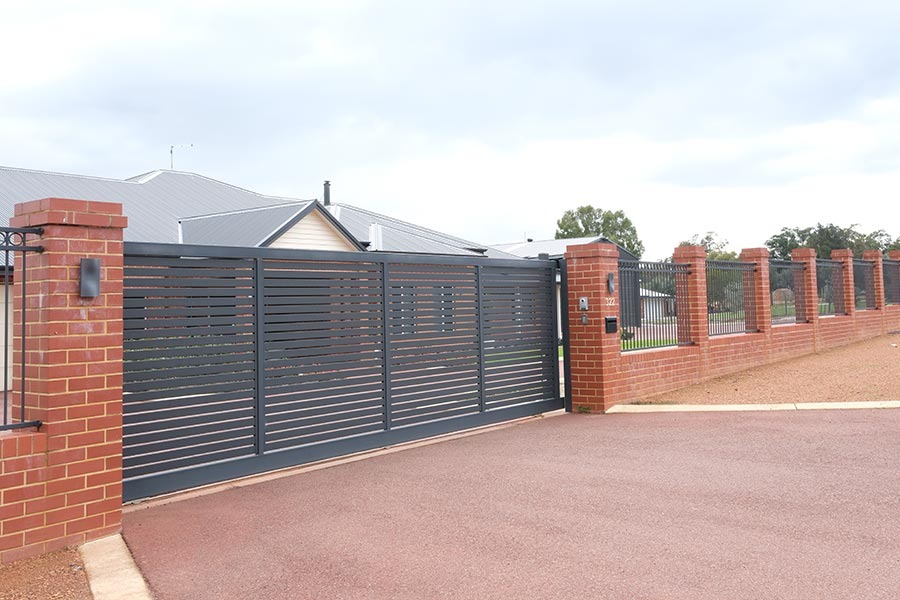
Containment areas often place different demands on fencing compared with long boundary runs. In these zones, control, visibility, and closer contact can matter more than covering large distances economically.
Containment Areas Need A Different Lens
Welded mesh can be useful where the fence is part of a more controlled environment, such as holding areas, yard surrounds, smaller compounds, or applications where a more structured panel style is preferred. Rural wire systems may remain more practical in larger open sections where flexibility and coverage matter more.
The decision is not just about strength. It is also about how the area is used, what needs to be contained, and how easy the fence needs to be to inspect, repair, or integrate with gates and other structures.
On WA properties, exposure and movement still matter, so the surrounding posts, fixings, and access points should be considered alongside the infill material itself.
Key Points To Check
The best containment fence usually reflects the intensity of use inside that space.
- Use more structured products where control and clearly defined boundaries are important.
- Keep repair access in mind, especially around gates and corners.
- Consider whether the area is temporary, permanent, or likely to be repurposed later.
- Review the full fence-and-gate combination instead of selecting infill in isolation.
Containment fencing works best when the material suits the intensity of the space it encloses.
Choose For The Area, Not The Entire Property
A property may use more than one fencing approach successfully. Containment areas often justify a different product choice from broad-acre paddocks or long rural boundaries.
If you are comparing welded mesh and rural wire, start with how that specific area is used every day. That context usually points toward the better option.