A farm gate entrance is one of the highest-use parts of many rural properties, yet it is often treated as a quick add-on to the fence line. A better result comes from designing the entrance around traffic patterns, equipment size, and long-term maintenance needs from the outset.
An Entrance Has To Work In Real Conditions
A gate that looks acceptable on a plan can be frustrating in practice if trucks cannot line up properly, stock pressure builds at the opening, or the latch position is awkward to reach from a vehicle.
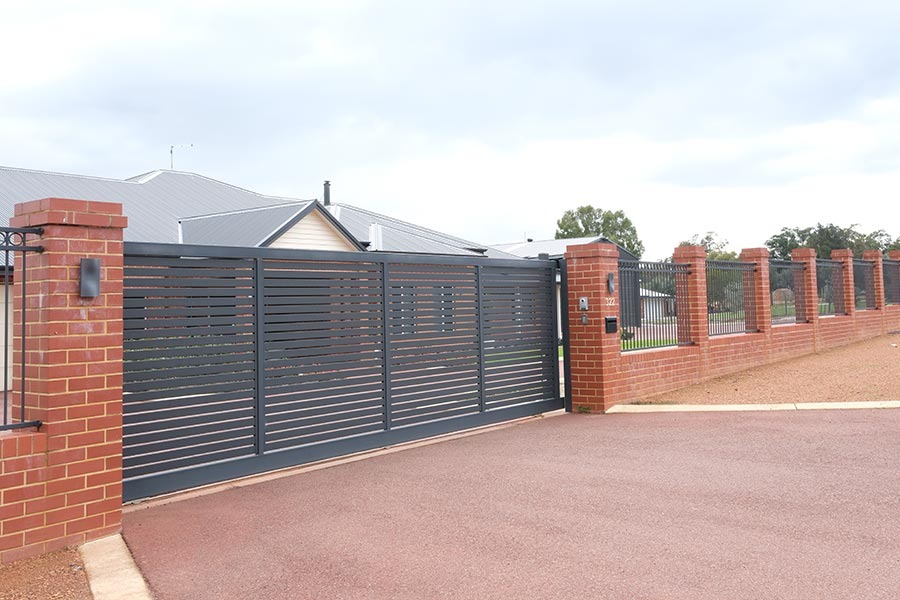
Entrance design should consider what uses the gateway most often. A machinery entry, a livestock handling point, and a residential-style front gate may all sit on the same property, but they usually need different widths and hardware.
In WA, wind exposure, dust, uneven approaches, and summer ground movement can also affect how gates hang and how often hardware needs adjustment.
Key Points To Check
Before installation, think through the entrance as an operational point rather than just a hole in the fence.
- Confirm the widest vehicle or implement that needs to pass through comfortably.
- Check approach angles and turning space on both sides of the opening.
- Match hinges, latches, and posts to the expected usage and gate weight.
- Plan drainage so the entrance remains usable in changing conditions.
A well-planned gate entrance saves time every week because it removes friction from everyday property movement.
Design For The Way The Property Runs
Good gate entrances feel simple to use because the practical decisions were made before installation. Width, hardware, and alignment all matter more than appearance alone.
If you are upgrading an entrance, watch how people, vehicles, and stock use the area now. The most useful improvements often come from solving those daily bottlenecks directly.